

Call 1800 FULL STOP
 1800 385 578
Online counselling
The NSW Sexual Violence Helpline offers 24/7 trauma-specialist counselling and practical support.
We know that sexual violence can impact lots of different parts of your life.
Sexual violence can be hard to talk about, even with those closest to you. You might be feeling confused, scared, or angry. Our counsellors can talk to you about what has happened or what is happening right now. Even if you are unsure about what to say, they can support you to work out what might be helpful, including what might the next steps be. You do not have to give graphic details of the violence to get support.
Sexual violence can have profound effects on your physical health, mental wellbeing, and sense of safety. You may experience physical injuries, sleep disturbances, anxiety, depression, or changes in your relationships with others. These impacts are common responses to trauma.
Our counsellors can help you develop strategies for managing impacts and to support your recovery.
Sexual violence is any sexual activity that happens where consent is not freely given or obtained, is withdrawn or the person is unable to consent due to their age or other factors. Sexual violence occurs any time a person is forced, coerced or manipulated into any sexual activity.
Such activity can be sexualised touching, sexual abuse, sexual assault, rape, sexual harassment and intimidation, and forced or coerced watching or engaging in pornography.
Sexual violence can be non-physical and include unwanted sexualised comments, intrusive sexualised questions or harassment of a sexual nature. Forms of modern slavery, such as forced marriage, servitude or trafficking in persons may involve sexual violence.
What is Consent?
Consent can be broadly defined as a person freely and voluntarily agreeing to participate in an interaction. Consent must be ‘informed’, this refers to the need for a person to understand what they are consenting to, with nothing preventing them from providing their consent or changing their mind.
Remember: If something doesn’t feel right, or if past experiences are troubling you, trust your feelings. We’re here to listen and help.
Everyone's experience and recovery journey are different.
We believe you, and we're here to support you. You are not alone.
A trauma-specialist counsellor will answer your call.
If we can’t answer immediately and you can’t wait, leave a voicemail if safe to do so. A counsellor will call you back from a private number. They won’t identify themselves or our service to anyone else until we confirm we’re speaking with you.
Your safety and wellbeing come first. The counsellor will listen to you about what has happened, what you need, and offer appropriate support. They can give you information about reporting options and your rights, but you decide what’s right for you. The counsellor will explain confidentiality limits, which are detailed in our privacy policy.
Our counsellors are experienced professionals who reflect and understand the diversity of the community. They work together as a team. You may speak with different counsellor each time you call.
The counsellor will create a confidential record after each call, so you won’t need to repeat your story. This also helps our team share important information about your needs and goals. This is also a legal requirement, and you may be able to access your record for legal support if you provide your details.
The counsellor will ask you questions about who you are – your gender, sexuality and cultural background, this helps us provide tailored support, but you don’t have to answer these questions.
Our counsellors use trauma-informed approaches. They will follow your lead on topics that you want to discuss and pace.
The counsellor may talk to you about:
Our counsellor will listen without judging. You will be believed.
The Helpline is a safe space for you to talk. Here’s what you should know:
The Helpline provides free support for anyone impacted by sexual violence. This includes victim-survivors, supporters, and professionals, regardless of circumstances.
Our counsellors can provide:
If you’re considering legal action, we can provide:
*please note counsellors are unable to provide legal advice
The decision is always yours. We’re here to provide information and counselling support for you, whatever you choose.
The Helpline is available for family, friends, carers and community members. Here’s how we can help you:
The Helpline supports frontline workers with expert advice on responding to sexual violence and providing quality care. We also offer trauma-specialist counselling to help workers manage the impacts of trauma.
Our counsellors can provide:
For clients we offer waitlist support, coverage during staff leave, or coordinated support between sessions.
Sexual violence affects people of all ages. Whether you're young, an adult, or older, our services are here for you. We understand that each age group faces unique challenges, and we're committed to providing age-appropriate support.
If you’ve experienced unwanted sexual touching, pressure, harassment, or assault, we’re here to listen and support you. Many young people contact us when someone has violated their sexual boundaries or when they’re trying to make sense of an uncomfortable sexual experience.
You might be worried about getting help because:
When you contact our Helpline, you’ll speak with counsellors who understand these concerns. We work specifically with young people who have experienced all forms of sexual violence.
You control what information you share and what support you want within the scope of the service.
Whether you have questions about consent, need information about your options after sexual violence, or simply want someone to talk to about what happened, we’re here for you. Your healing matters, and sexual violence support is available whenever you’re ready.
Please note that all counsellors are mandatory reporters and they will have a transparent conversation about the limits of confidentiality in the call.
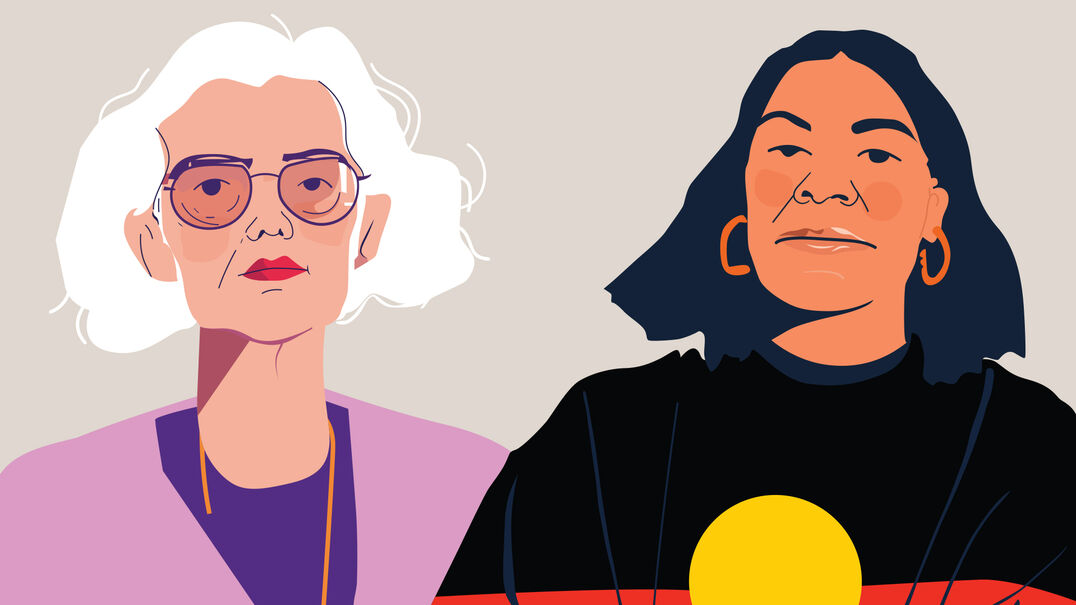
If you’ve experienced sexual violence as an older person, we believe you. Your experience is valid, regardless of your age.
Sexual violence can occur in various settings: homes, care facilities, or communities. The person who harmed you might be a family member, caregiver, partner, acquaintance, or another resident.
Many older people aren’t believed when they disclose sexual assault. Their experiences are often dismissed as confusion or result of medical problems.
Our counsellors understand the unique challenges older victim-survivors face. We’re here to listen at your pace and provide support that respects your specific needs and dignity.
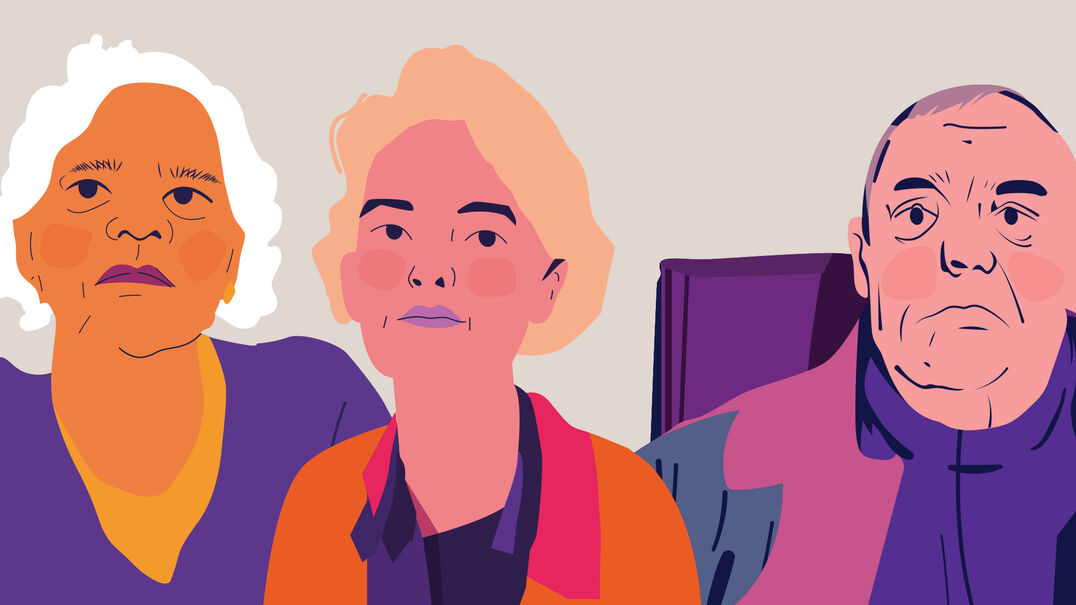
Despite how many Australians have experienced childhood sexual assault, talking about it can be hard. Most perpetrators are known to the child and their family, exploiting positions of trust while using tactics that shift blame to the child or non-offending family members. No matter what feelings arose during the abuse, children cannot consent to sexual contact. Any confusion, shame, or mixed emotions are common responses to manipulation—never signs of responsibility.
The impacts of childhood sexual trauma can affect relationships, physical health, emotional wellbeing, and daily functioning. These are common responses to harm, not personal failings. It is never too late to get support.
Our counsellors have experience working with adult survivors. They can help you understand the impacts of childhood sexual assault, develop coping strategies for managing difficult emotions, and support you in creating a healing path that works for your unique situation. They can also connect you with additional services and resources when you’re ready.
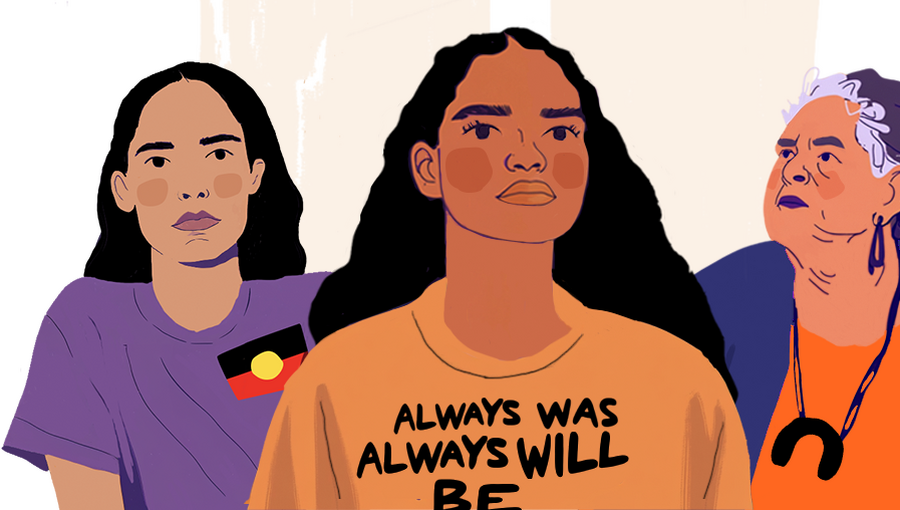
Full Stop Australia are here to support you - whether you are telling someone for the first time, going through a crisis, or working on healing and recovery. We identify the interrelated layers of trauma experienced by Aboriginal and or Torres Strait Islander people.

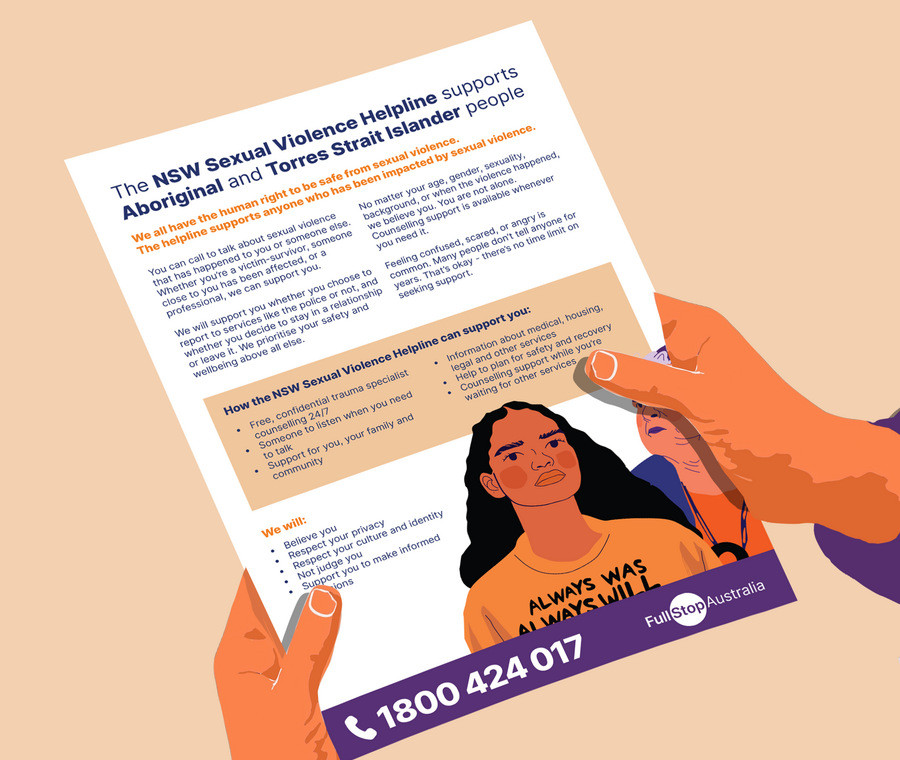
Full Stop Australia is here to support you - whether you are telling someone for the first time, going through a crisis, or working on healing and recovery.
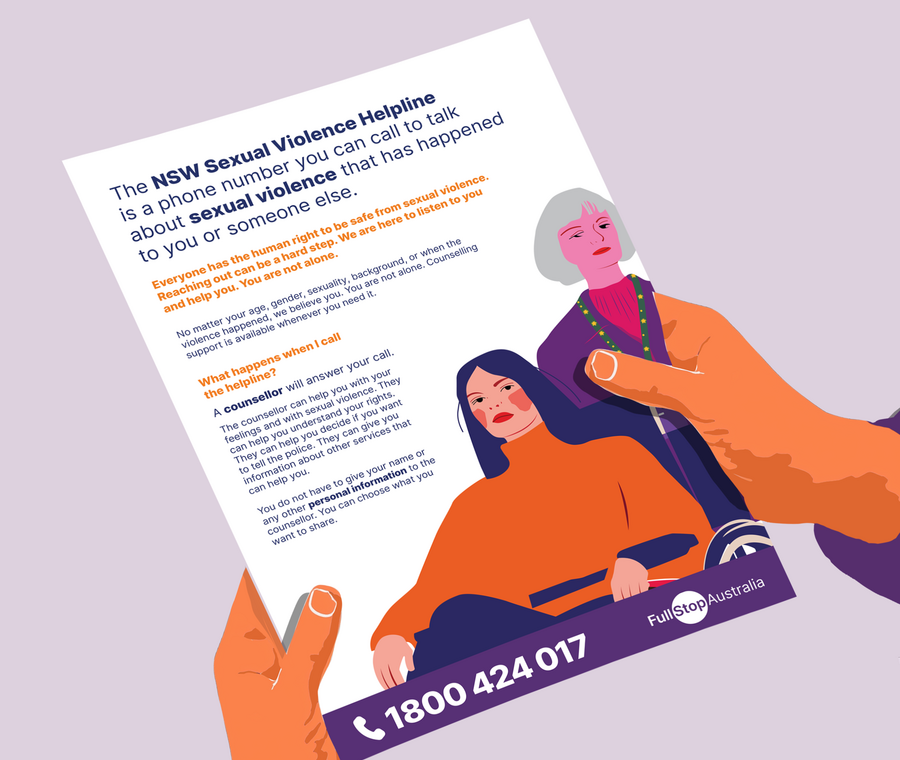
Full Stop Australia is here to support you - whether you are sharing your story for the first time, going through a crisis, or working on healing and recovery.
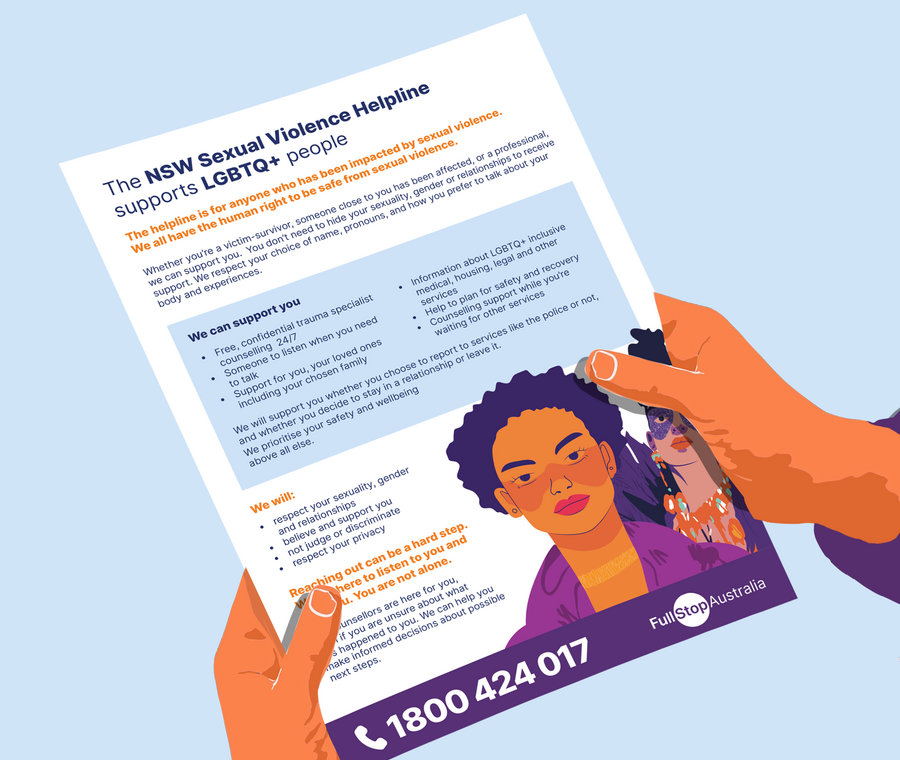
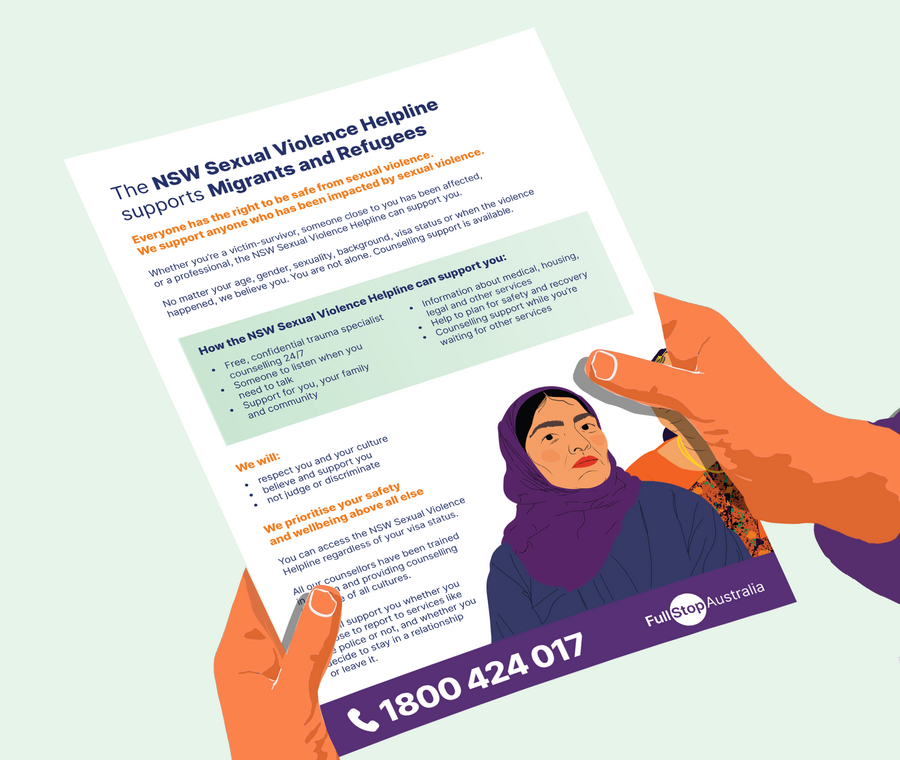
See the links below to download Arabic, Hindi, Vietnamese, Simplified Chinese and Traditional Chinese versions of information about the NSW Sexual Violence Helpline.
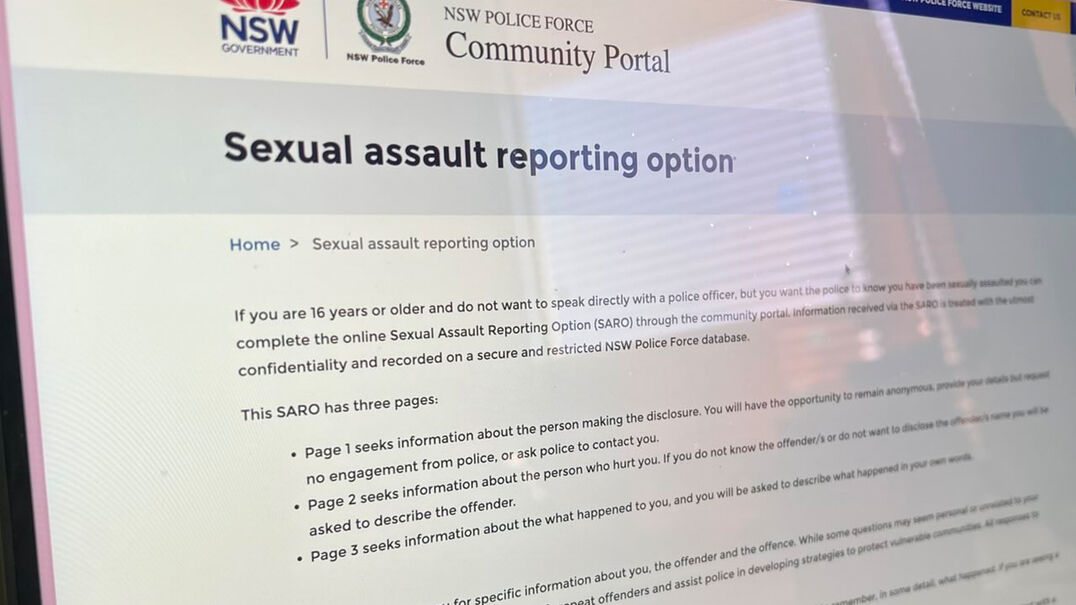
This section includes information about options for next steps that might be helpful for you, including how to access hospital medical care and evidence collection, our advocacy work, and anonymous police reporting.